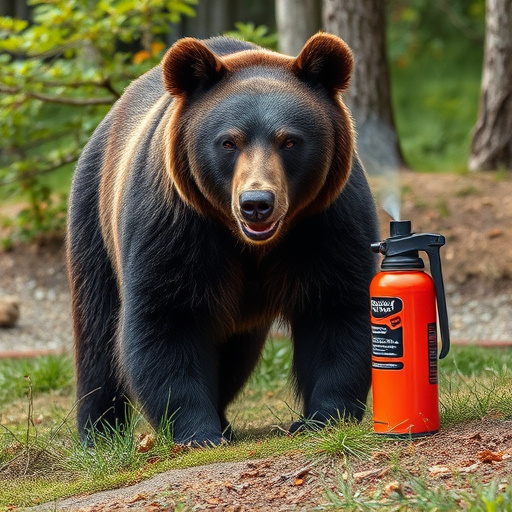
Bears' territorial behavior and keen senses make them challenging in wilderness areas. Bear spray, containing capsaicin (oleoresin capsicum) from chili peppers, is a key defense tool that irritates bears' eyes and nasal membranes. Understanding bear spray's chemistry, including OC concentration, proper usage, and combining it with clothing, noise makers, and food security enhances safety when hiking or camping in bear country. Knowing What Chemicals Are in Bear Spray can significantly boost survival chances.
In the vast wilderness, encountering a bear can be a thrilling yet potentially dangerous experience. Armed with knowledge, however, you can enhance your survival chances. This article delves into essential aspects of bear attack protection, focusing on understanding bear behavior and their acute senses. We also dissect the effectiveness of bear spray, exploring its ingredients and chemical composition to help you make informed choices. Furthermore, discover innovative strategies beyond spray for a comprehensive approach to wilderness safety.
- Understanding Bear Behavior and Their Senses
- Decoding Bear Spray Ingredients and Efficacy
- Effective Strategies Beyond Bear Spray for Protection
Understanding Bear Behavior and Their Senses
Bears, especially grizzly bears and black bears, are wild animals that possess an innate sense of territory and a complex social structure. Understanding their behavior is crucial for wilderness survival. These creatures rely heavily on their keen senses to detect potential threats or food sources. They have excellent hearing, allowing them to pick up sounds from great distances, and their sense of smell is unparalleled—bears can detect odors in parts per billion. This heightened sensory awareness makes them unpredictable, especially when they feel threatened or surprised.
Bear spray, a common defense tool for hikers and campers, contains capsaicin, the active ingredient found in chili peppers. When sprayed, it irritates a bear’s eyes and nasal membranes, temporarily disorienting them and providing an escape route. Knowing how to use bear spray effectively, along with understanding bear behavior, can significantly enhance your safety in bear country.
Decoding Bear Spray Ingredients and Efficacy
Understanding the ingredients in bear spray is crucial for ensuring its effectiveness during a potential attack. Bear sprays typically contain chemicals designed to deter and disable bears by irritating their eyes, nose, and respiratory system. The key active ingredient is usually oleoresin capsicum (OC), derived from chili peppers. OC is responsible for the spray’s heat and pungent smell, which can cause bears to flee.
Other common components include propylene glycol, a preservative, and water as a base. Some products may also have additional ingredients like UV stabilizers to enhance durability. When shopping for bear spray, look out for these chemicals to gauge their potential effectiveness. The concentration of OC varies among brands, with higher concentrations generally offering better protection at longer ranges. Always follow manufacturer instructions regarding usage and safety guidelines.
Effective Strategies Beyond Bear Spray for Protection
Going into the wilderness requires preparation, especially against unpredictable encounters like bear attacks. While bear spray is a common go-to defense, its effectiveness depends on proper usage and understanding what chemicals it contains. Many commercial bear sprays contain capsaicin, the active ingredient found in chili peppers, which irritates a bear’s eyes and temporarily disrupts its behavior. However, this chemical might not be suitable for all situations; some bears may develop tolerance, and close-range encounters can render the spray ineffective.
Beyond bear spray, several effective strategies offer additional layers of protection. Wearing bright, reflective clothing increases visibility, potentially deterring bears. Carrying noise makers like whistles or bells can startle a bear at a distance. Knowing and practicing bear avoidance techniques, such as making loud noises during travel and avoiding surprising encounters, is crucial. Additionally, securing food properly in airtight containers prevents bears from associating humans with food sources. Combining these strategies with bear spray can significantly enhance survival chances in bear country.
In the face of potential bear encounters, understanding both bear behavior and the science behind bear spray is key to your safety. By recognizing how bears perceive their environment and what makes bear spray an effective deterrent, you can make informed decisions for protecting yourself in the wilderness. Beyond just carrying bear spray, adopting strategic behaviors and being aware of your surroundings are crucial components of a comprehensive survival plan. Armed with knowledge, you can navigate these encounters confidently and safely. Remember, understanding these protective measures can mean the difference between a frightening encounter and a successful, unharmed escape.